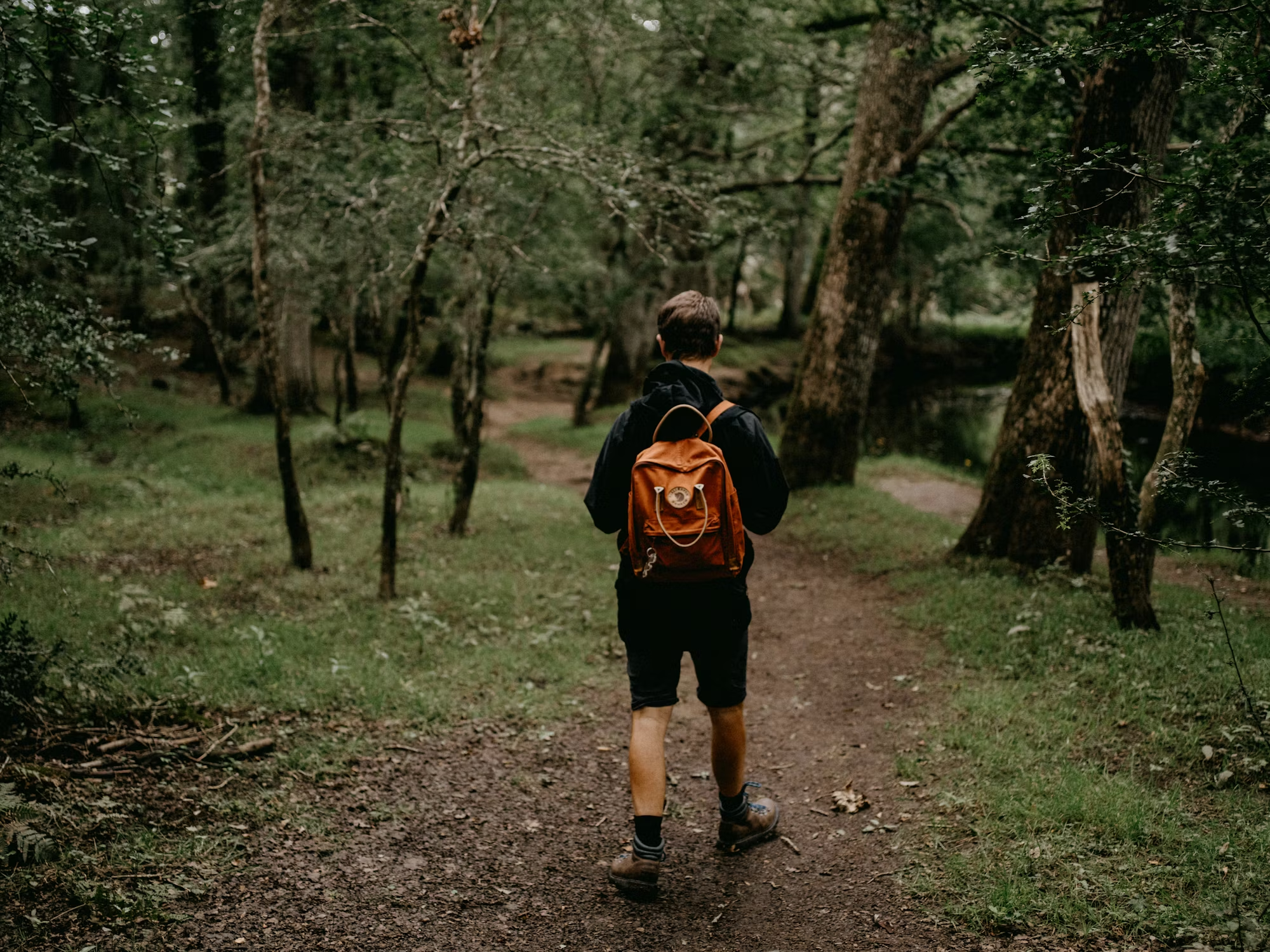
Exploring the Hidden Gems of National Parks

National parks are often celebrated for their iconic landmarks and breathtaking views, but many hidden gems remain relatively undiscovered. These lesser-known parks offer unique experiences that can enhance your hiking adventures, providing a chance to escape the crowds and immerse yourself in nature. In this article, we will explore some of these hidden gems, their distinctive features, and what makes them special destinations for hikers.

The Allure of Hidden National Parks

While famous parks like Yellowstone and Yosemite attract millions of visitors each year, hidden national parks can provide a more intimate connection with nature. These parks often feature diverse ecosystems, stunning landscapes, and abundant wildlife, all without the hustle and bustle of more popular tourist destinations. By exploring these hidden gems, hikers can enjoy tranquility, discover unique geological formations, and learn about the cultural history of lesser-known regions.

Hidden Gems to Discover

1. Congaree National Park, South Carolina

Congaree National Park is a treasure trove of biodiversity, showcasing one of the largest intact expanses of old growth bottomland hardwood forest in the United States. The park’s unique ecosystem is home to a variety of plant and animal species, making it a paradise for nature enthusiasts. Hiking through the park offers an opportunity to experience the beauty of towering trees, serene waterways, and rich wildlife habitats. The park features several trails, including the elevated boardwalk, which provides an easy access route through the heart of the swamp. The lush landscape and tranquility of Congaree make it an ideal destination for a peaceful hiking retreat.

2. Isle Royale National Park, Michigan

Located in the northern reaches of Lake Superior, Isle Royale National Park is a remote island paradise known for its rugged terrain and pristine wilderness. Accessible only by boat or seaplane, this park offers a sense of isolation that many hikers crave. With over 165 miles of hiking trails, including the challenging Greenstone Ridge Trail, hikers can explore dense forests, rocky shorelines, and serene inland lakes. The park is also famous for its populations of wolves and moose, providing ample opportunities for wildlife observation. Isle Royale’s untouched beauty and unique ecosystems make it a must-visit for adventurous hikers.

3. Great Basin National Park, Nevada

Great Basin National Park is often overlooked in favor of its flashier neighbors, but it offers a remarkable hiking experience in the heart of the Nevada desert. The park is home to ancient bristlecone pines, some of the oldest living trees on Earth, and the stunning Lehman Caves, which are filled with unique limestone formations. Hikers can explore a variety of trails, including the path to Wheeler Peak, which offers breathtaking panoramic views of the surrounding landscape. The park’s dark skies also make it an excellent destination for stargazing, providing a magical experience after a day of hiking. Great Basin’s diverse terrain and rich natural history make it a hidden gem worth exploring.

4. Saguaro National Park, Arizona

Saguaro National Park is renowned for its iconic giant cacti, which can grow to be over 40 feet tall and live for more than 150 years. This desert park is divided into two districts surrounding Tucson, each offering unique hiking opportunities. Trails wind through the stunning Sonoran Desert, showcasing diverse flora and fauna, including wildflowers, desert critters, and breathtaking mountain vistas. The park’s varied trails cater to different skill levels, from easy strolls to more challenging hikes, making it accessible for everyone. Exploring Saguaro National Park is a chance to appreciate the beauty of the desert landscape and the resilience of life in this arid environment.

5. North Cascades National Park, Washington

Often referred to as the “American Alps,” North Cascades National Park is a stunning blend of rugged mountains, deep valleys, and pristine lakes. With over 400 miles of hiking trails, the park offers a wide variety of hiking experiences, from leisurely walks along the shoreline of Lake Diablo to challenging treks up to breathtaking mountain vistas. The diverse ecosystems found here are home to an array of wildlife, including black bears, mountain goats, and numerous bird species. North Cascades is also known for its beautiful wildflower blooms in the summer, making it a perfect destination for hikers looking to connect with nature in a serene setting.

Tips for Exploring Hidden National Parks

To make the most of your adventure in these lesser-known national parks, consider the following tips:

1. Plan Ahead

Research the park before your visit, including trail maps, available amenities, and any permits required for hiking or camping. Understanding the park’s layout and regulations will help you navigate your adventure smoothly.

2. Visit During Off-Peak Times

To truly enjoy the serenity of these hidden gems, consider visiting during weekdays or outside of peak tourist seasons. Early mornings and late afternoons can also provide a more tranquil experience, as you may encounter fewer hikers.

3. Stay on Designated Trails

To protect the natural environment, always stick to marked trails. This practice helps prevent erosion and preserves the delicate ecosystems of the parks. Respecting the landscape ensures these areas remain pristine for future visitors.

4. Pack Essentials

Bring plenty of water, snacks, and necessary gear to ensure a safe and enjoyable hike. It’s important to stay hydrated and nourished, especially during longer treks. Don’t forget a map, compass, or GPS device, as some hidden parks may have limited cell service.

The Joy of Discovering Off-the-Beaten-Path Adventures

Exploring hidden national parks can lead to remarkable discoveries and unforgettable experiences. These lesser-known destinations allow hikers to connect with nature in a more personal way, away from the crowds. As you venture off the beaten path, take the time to appreciate the stunning landscapes and unique ecosystems that these parks have to offer. Embrace the tranquility and beauty of nature, and let it inspire a deeper appreciation for the outdoors.

Conclusion: Adventure Awaits

National parks are a treasure trove of natural beauty, and the hidden gems offer a unique opportunity for exploration and adventure. By stepping away from the well-trodden trails, you can experience the tranquility and wonder of nature in a way that feels personal and rewarding. So, pack your hiking gear, hit the road, and discover the stunning landscapes that await in these lesser-known national parks. The adventure of a lifetime is just a trail away.
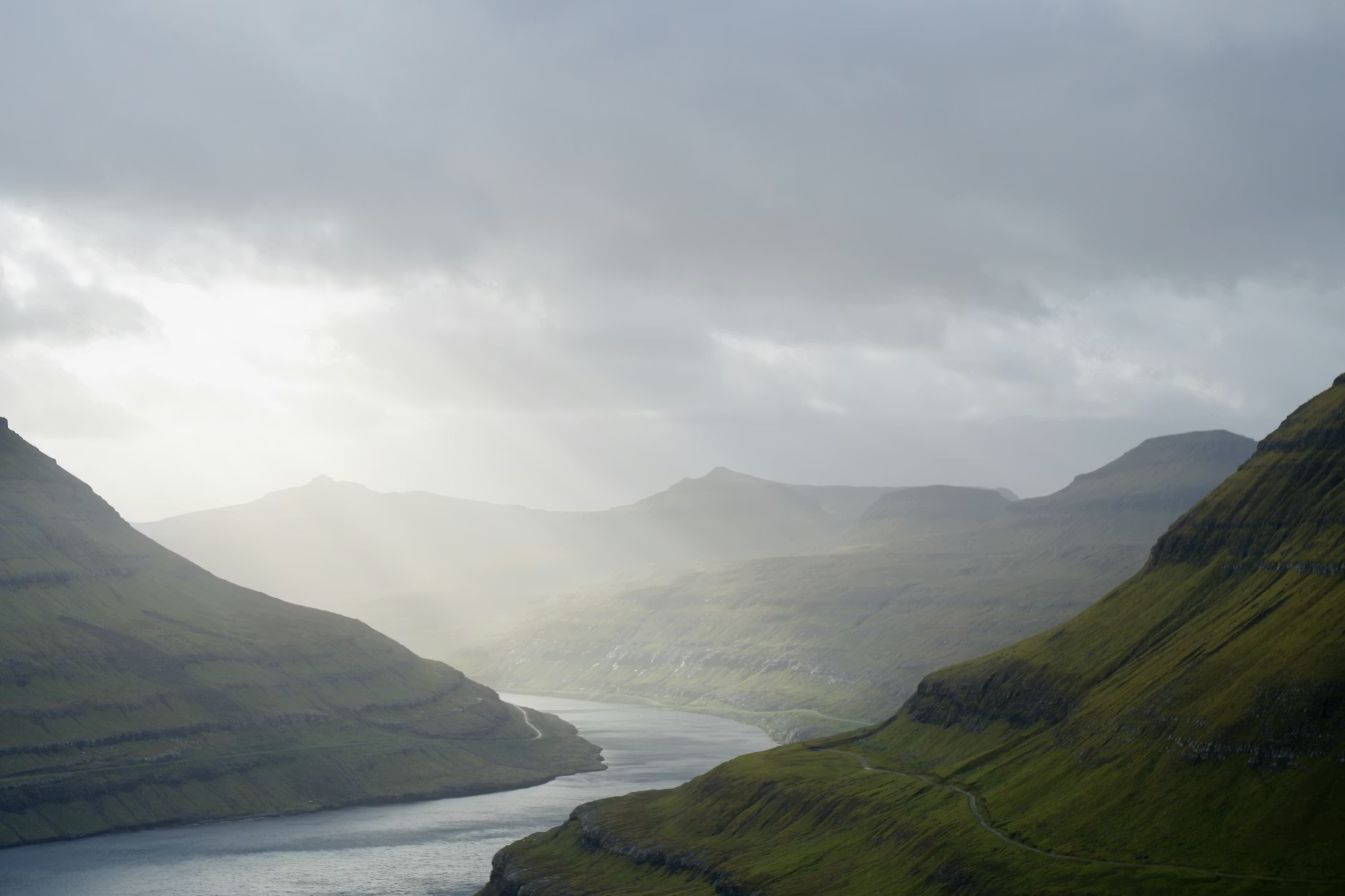

Exploring the World of Camping: A Guide to the Great Outdoors

Camping is more than just an escape from daily life; it’s an opportunity to immerse yourself in nature, explore new landscapes, and create lasting memories with family and friends. Whether you’re a seasoned camper or a newcomer, understanding the fundamentals of camping can enhance your experience and help you appreciate the great outdoors. In this guide, we will cover essential camping tips, recommend must-have gear, and highlight some of the best camping destinations around the world.

The Allure of Camping

Camping allows individuals to step away from the hustle and bustle of urban life and reconnect with nature. The fresh air, stunning landscapes, and the sounds of wildlife create a unique atmosphere that can be both calming and invigorating. For many, camping is not just about sleeping under the stars; it’s about experiencing the beauty of the natural world firsthand. From starry nights around the campfire to morning coffee brewed over an open flame, camping brings a sense of adventure and tranquility.

Benefits of Camping

Camping offers numerous benefits that extend beyond the thrill of adventure. Physically, it encourages an active lifestyle; hiking, swimming, and exploring promote fitness and well-being. Mentally, being in nature can reduce stress and enhance mood, providing a much-needed respite from the demands of everyday life. Additionally, camping fosters connections—whether with family, friends, or fellow campers—creating bonds over shared experiences and adventures.

Getting Started: Tips for Beginners

If you’re new to camping, it can be both exciting and a bit overwhelming. Here are some essential tips to ensure a successful camping trip:

1. Choose the Right Campsite

Selecting the perfect campsite is crucial. Consider factors such as accessibility, amenities, and proximity to activities. Many national and state parks offer designated campsites with facilities, while others may allow for more primitive camping in backcountry areas. Research your options and choose a site that aligns with your comfort level and interests.

2. Plan Your Meals

Planning meals ahead of time can make your camping experience smoother. Choose easy-to-cook meals that require minimal preparation. Ingredients like canned goods, pasta, rice, and fresh fruits and vegetables are excellent choices. Don’t forget to pack snacks for those hungry moments between meals! Preparing meals in advance and using resealable bags can save time and space in your cooler.

3. Pack Smart

Packing wisely is essential for a comfortable camping experience. Make a checklist of items you’ll need and stick to it. Here are some essentials:
– Shelter: A reliable tent that suits the number of campers and weather conditions.
– Sleeping Gear: Sleeping bags rated for the temperatures you expect and sleeping pads for comfort.
– Cooking Equipment: A portable stove or grill, cooking utensils, and cookware.
– Safety Items: A first-aid kit, bug spray, and sunscreen are must-haves for any trip.

4. Learn Basic Outdoor Skills

Before hitting the trails, familiarize yourself with essential outdoor skills. Knowing how to set up your tent, build a fire, and navigate using a map and compass can be invaluable. Many campsites offer workshops or classes for beginners, providing a great opportunity to learn and gain confidence.

Essential Camping Gear

Having the right gear can make or break your camping experience. Here are some must-have items:

1. Tent

A sturdy, weather-appropriate tent is essential for protection against the elements. Look for tents that are easy to set up and take down, especially if you are camping with children or inexperienced campers.

2. Sleeping Bag

Choose a sleeping bag that suits the climate of your camping destination. Mummy bags are great for colder temperatures, while rectangular bags offer more space and comfort in milder weather.

3. Cooking Supplies

Invest in a portable camping stove and cookware. A compact cooking set that includes pots, pans, and utensils will make meal preparation easier. Additionally, a cooler is beneficial for keeping perishable items fresh.

4. Lighting

Headlamps or lanterns are crucial for navigating your campsite after dark. Make sure to pack extra batteries to ensure you have light throughout your trip.

5. Navigation Tools

Even in familiar areas, it’s wise to carry a map and compass. While GPS devices and smartphone apps are helpful, they can fail due to battery issues or lack of signal, making traditional navigation skills essential.

Popular Camping Destinations

The world is filled with incredible camping destinations that cater to all types of campers. Here are a few top spots to consider:

1. Yellowstone National Park, USA

Yellowstone is famous for its stunning natural beauty, geothermal features, and diverse wildlife. With numerous campgrounds scattered throughout the park, you can choose a site that offers breathtaking views of geysers, waterfalls, and the iconic Old Faithful.

2. Banff National Park, Canada

Banff is a paradise for outdoor enthusiasts, featuring spectacular mountain scenery and pristine lakes. The park offers a range of camping options, from developed campgrounds to backcountry sites for those looking for adventure. Don’t miss the chance to hike around Lake Louise or Moraine Lake.

3. Torres del Paine National Park, Chile

Located in Patagonia, Torres del Paine is renowned for its dramatic landscapes, including towering peaks, glaciers, and turquoise lakes. The park offers various camping options, including organized camps and wild camping, allowing you to experience the stunning scenery up close.

4. Kruger National Park, South Africa

For a unique camping experience, consider Kruger National Park. This wildlife haven allows you to camp under the stars while being surrounded by the sounds of nature. Guided safaris and self-drive options offer opportunities to see diverse wildlife up close.

5. Cinque Terre, Italy

The Cinque Terre region boasts colorful coastal villages and breathtaking views of the Mediterranean Sea. While traditional camping might be limited, nearby campsites and eco-lodges provide access to hiking trails that connect the villages, offering a fantastic blend of adventure and culture.

Embracing the Camping Community

Camping is not just about enjoying the outdoors; it also fosters a sense of community among those who share a love for nature. Connecting with fellow campers can enhance your experience and create lasting friendships. Here are some ways to get involved:

1. Join Camping Clubs

Many areas have camping clubs that organize group trips, workshops, and social events. Joining a club is a great way to meet like-minded individuals and learn from experienced campers.

2. Participate in Clean-Up Events

Many camping communities engage in conservation efforts to keep natural areas clean and accessible. Volunteering for clean-up events not only helps preserve the environment but also connects you with others who share your passion for nature.

3. Share Your Experiences

Social media platforms and online forums provide excellent opportunities to share your camping stories, tips, and photos. Engaging with the camping community online can lead to new friendships and inspire others to explore the great outdoors.

Conclusion

Camping is a wonderful way to escape the daily grind, embrace nature, and foster connections with friends and family. With proper preparation, essential gear, and an adventurous spirit, your camping experiences can become cherished memories that last a lifetime. Whether you’re exploring the mountains of Banff or the shores of Cinque Terre, the great outdoors offers endless opportunities for adventure and discovery. So pack your gear, gather your loved ones, and set off on your next camping journey to create unforgettable moments in nature.

Beneath the Surface: Discovering the Wonders of Coral Reefs

Coral reefs are often referred to as the ‘rainforests of the sea’ due to their astonishing biodiversity and ecological importance. These vibrant underwater ecosystems provide a habitat for countless marine species and support local economies through tourism and fishing. As travelers seek to explore the wonders of the ocean, understanding coral reefs and their significance becomes increasingly vital. This article delves into the beauty of coral reefs, the challenges they face, and the ways we can contribute to their preservation.

Coral reefs are formed by tiny coral polyps, which are small, soft-bodied organisms that thrive in warm, shallow waters. These polyps secrete calcium carbonate, creating a hard structure that serves as the foundation for the reef. Over time, as more polyps attach themselves, the reef expands, providing essential habitats for a myriad of marine life. In fact, coral reefs support approximately 25% of all marine species, making them crucial for maintaining oceanic biodiversity.

One of the most famous coral reefs in the world is the Great Barrier Reef in Australia, which stretches over 2,300 kilometers and is home to thousands of species, including fish, mollusks, sea turtles, and sharks. Snorkeling or diving in the Great Barrier Reef allows travelers to experience firsthand the kaleidoscope of colors and life beneath the waves. Vibrant corals, darting fish, and gentle sea turtles create a magical underwater world that leaves visitors in awe. Other notable coral reefs include the Belize Barrier Reef, the Red Sea Coral Reef, and the Coral Triangle, which is renowned for its unparalleled diversity.

The importance of coral reefs extends beyond their beauty; they play a vital role in coastal protection, acting as natural barriers against storms and erosion. By absorbing wave energy, reefs help protect shorelines and the communities that depend on them. Additionally, coral reefs contribute to the economy through fishing and tourism. Many coastal communities rely on healthy reefs for their livelihoods, as they attract tourists eager to experience the beauty of marine life.

Despite their significance, coral reefs face numerous threats, primarily due to human activities. Climate change is perhaps the most pressing issue, as rising ocean temperatures lead to coral bleaching. When stressed by heat, corals expel the colorful algae living in their tissues, causing them to turn white and become vulnerable to disease. This phenomenon can lead to significant declines in coral health and, ultimately, the death of entire reefs.

Pollution also poses a significant threat to coral reefs. Runoff from agriculture, urban areas, and industries introduces harmful chemicals and excess nutrients into the water, leading to algal blooms that can smother corals and disrupt the delicate balance of marine ecosystems. Overfishing further exacerbates the problem by removing key species that maintain the health of the reef, such as herbivorous fish that graze on algae.

To combat these challenges, conservation efforts are crucial. Many organizations and governments are working to protect coral reefs through the establishment of marine protected areas (MPAs), which limit human activities and promote sustainable practices. These areas allow ecosystems to recover and thrive, providing a safe haven for marine life. For instance, the establishment of the Flower Garden Banks National Marine Sanctuary in the Gulf of Mexico has contributed to the protection of its vibrant coral communities.

Travelers can also play a significant role in coral reef conservation. By choosing responsible tour operators that prioritize eco-friendly practices, visitors can enjoy the beauty of coral reefs while minimizing their impact. Snorkeling and diving with reputable companies that adhere to sustainable guidelines helps ensure that these delicate ecosystems remain intact for future generations.

Educating oneself about coral reef ecology and the threats they face is another important step. Awareness leads to advocacy, empowering individuals to support policies and initiatives aimed at protecting marine environments. Simple actions, such as reducing plastic usage, can have a positive ripple effect on the health of the oceans and their ecosystems.

In addition to individual efforts, supporting organizations dedicated to coral reef conservation can help fund research and restoration projects. Many nonprofits and research institutions focus on coral restoration, developing techniques to transplant coral fragments and enhance resilience against climate change. These initiatives demonstrate that hope exists for coral reefs, provided we take collective action.

As we explore the wonders of coral reefs, it’s essential to remember that these ecosystems are not just beautiful destinations; they are vital components of our planet’s health. The intricate relationships between coral, fish, and other marine organisms create a complex web of life that sustains both the ocean and coastal communities.

In conclusion, the allure of coral reefs lies not only in their breathtaking beauty but also in their ecological importance. They support an incredible diversity of marine life, protect coastlines, and contribute to local economies. However, the challenges they face demand our attention and action. By understanding the significance of coral reefs and actively participating in their preservation, we can ensure that these underwater wonders continue to thrive for generations to come. Whether you’re snorkeling in the Caribbean or exploring the Great Barrier Reef, remember that your experiences contribute to a larger narrative of conservation and appreciation for our planet’s incredible marine ecosystems.

Backpacking Basics: A Comprehensive Guide for Beginners

Backpacking is an incredible way to immerse yourself in nature, offering the freedom to explore stunning landscapes while carrying everything you need on your back. For many, it represents a journey into the wilderness, a chance to disconnect from the hustle and bustle of daily life, and an opportunity to connect with the natural world. This article aims to equip beginners with the essential knowledge and confidence needed to embark on their first backpacking adventure.

1. Understanding Backpacking
Backpacking is often described as a combination of hiking and camping. It typically involves multi-day trips where you carry your supplies, including food, shelter, clothing, and gear, in a backpack. This means that not only do you get to enjoy beautiful trails, but you also get to spend nights under the stars, surrounded by nature. While the experience can be immensely rewarding, it does come with its own set of challenges.

The key to a successful backpacking trip lies in careful planning, preparation, and packing. Understanding your destination, the terrain, and the specific requirements of backpacking can greatly enhance your experience.

2. Essential Gear for Beginners
Choosing the right gear is crucial for a comfortable and enjoyable backpacking experience. Here’s a list of essential items every beginner should consider:

Backpack
Your backpack is your lifeline on the trail, so choose one that fits well and is comfortable to carry. Look for a pack with adjustable straps and multiple compartments for organization. A capacity of 50-70 liters is generally suitable for multi-day trips.

Tent or Shelter
A lightweight tent or shelter is essential for protecting you from the elements. Choose a tent that is easy to set up and pack away. Consider factors such as weight, space, and weather resistance when selecting your shelter.

Sleeping Bag and Sleeping Pad
A good sleeping bag will keep you warm and comfortable during the night. Look for one rated for the temperature range you expect to encounter. A sleeping pad adds insulation and cushioning, making your nights more restful.

Cooking Gear
Invest in a portable camp stove, fuel, and lightweight cooking utensils. A simple cooking setup allows you to prepare warm meals and boil water for hydration. Don’t forget to pack a lightweight pot and a spoon.

Food and Hydration
Plan your meals carefully and opt for lightweight, high-calorie foods. Dehydrated meals, nuts, energy bars, and fruits are popular choices among backpackers. Also, carry a water filter or purification tablets to ensure you have access to clean drinking water.

Clothing
Dress in layers to adapt to changing weather conditions. Choose moisture-wicking fabrics for base layers, and add insulating and waterproof layers as needed. A good pair of hiking boots is also essential to keep your feet comfortable and protected.

3. Planning Your First Trip
Once you have your gear sorted, it’s time to plan your first backpacking trip. Here are some key steps to help you prepare:

Choose the Right Destination
Select a beginner-friendly trail that offers a manageable distance and is well-marked. National parks and established hiking areas often have trails suitable for novice backpackers. Research your destination thoroughly to understand the terrain, weather conditions, and any permits required.

Create an Itinerary
Plan your daily hiking schedule, including estimated travel times, rest stops, and campsite locations. Ensure that your itinerary is realistic, allowing for adequate breaks and time to enjoy the scenery. It’s also wise to share your plans with a friend or family member for safety.

Check Weather Conditions
Weather can be unpredictable, so check the forecast leading up to your trip. Prepare for varying conditions by packing appropriate clothing and gear. Being well-prepared for potential rain, heat, or cold can make all the difference in your comfort.

4. Safety Considerations
Safety should always be a priority when backpacking. Here are some essential safety tips:

Know Your Limits
It’s important to understand your fitness level and choose a trail that matches it. Pushing yourself too hard can lead to exhaustion or injury. Take breaks as needed and listen to your body.

Stay on Marked Trails
To minimize the risk of getting lost, stick to marked trails and follow established routes. Carry a map and a compass, and consider using GPS or hiking apps to help you navigate.

Wildlife Awareness
Familiarize yourself with the wildlife in your area. Knowing how to respond to encounters with animals, such as bears or snakes, is crucial for your safety. Store food properly and keep a safe distance from any wildlife you may encounter.

First Aid Kit
Pack a basic first aid kit that includes items like adhesive bandages, antiseptic wipes, pain relievers, and blister treatment. Being prepared for minor injuries can help you manage any issues that arise during your trip.

5. Embracing the Experience
Backpacking is not just about reaching your destination; it’s about the journey itself. Embrace the experience by being present and fully engaging with your surroundings. Take time to enjoy the views, listen to the sounds of nature, and appreciate the beauty of your environment.

Document your adventure by keeping a journal or taking photographs. This not only creates lasting memories but also allows you to reflect on your experiences and progress as a backpacker.

6. Joining the Backpacking Community
As you grow more comfortable with backpacking, consider connecting with fellow enthusiasts. Joining local hiking groups or participating in organized backpacking trips can provide valuable knowledge and camaraderie. The backpacking community is welcoming and eager to share experiences, tips, and stories.

Online forums and social media platforms also offer opportunities to engage with other backpackers. Sharing your journey, asking for advice, and discovering new trails through community connections can enrich your backpacking adventures.

Conclusion
Backpacking is a rewarding way to explore the great outdoors while challenging yourself physically and mentally. With the right gear, planning, and mindset, beginners can embark on memorable adventures in nature. By understanding the essentials of backpacking, staying safe, and embracing the experience, you’ll find yourself not just traversing trails, but creating lifelong memories. So pack your backpack, step into the wilderness, and let the adventure begin!

Nature’s Classroom: Learning Through Outdoor Adventures

In an age dominated by technology and indoor activities, the value of outdoor adventures as a means of education has never been more significant. Nature offers a unique classroom where individuals can learn, grow, and connect with the world around them. Whether through hiking, camping, or wildlife observation, outdoor experiences provide invaluable lessons that extend beyond traditional education. This article will explore the benefits of outdoor adventures, how they foster personal growth, and the ways they enhance learning through direct engagement with nature.

Outdoor adventures are inherently experiential, allowing individuals to learn through firsthand experiences. Unlike a conventional classroom setting, where information is often presented in a passive manner, outdoor environments encourage active participation. This hands-on approach engages learners more fully, making the lessons more memorable and impactful. For instance, a group of students embarking on a nature hike not only discovers the local flora and fauna but also learns about ecosystems, biodiversity, and environmental conservation through direct observation.

Moreover, outdoor education promotes critical thinking and problem-solving skills. Nature often presents challenges that require quick thinking and adaptability. Whether navigating a difficult trail, setting up camp, or identifying plants and animals, participants must engage their minds to overcome obstacles. These experiences foster resilience and confidence, as individuals learn to trust their instincts and make decisions in real-time. For example, a hiking trip that includes map reading and compass skills not only teaches navigation but also encourages teamwork and collaboration.

Another significant aspect of outdoor adventures is the opportunity to disconnect from technology and reconnect with oneself and others. In a world filled with digital distractions, spending time in nature allows individuals to focus on the present moment. This disconnection can lead to improved mental well-being, as participants experience reduced stress and anxiety. Engaging in outdoor activities often encourages deeper conversations and stronger relationships among peers, as shared experiences create lasting bonds. Imagine a group of friends gathered around a campfire, sharing stories and laughter while immersed in the beauty of nature. These moments foster connection and strengthen friendships in ways that often elude us in our daily routines.

Nature also serves as a powerful teacher of respect and responsibility. Engaging with the outdoors instills a sense of stewardship for the environment. When individuals witness the beauty of a pristine landscape or encounter wildlife in their natural habitat, they are often inspired to protect these resources. Educational programs that include outdoor activities frequently emphasize the importance of conservation and sustainability, teaching participants about their role in preserving the environment for future generations. For example, community clean-up events not only beautify local parks but also raise awareness about littering and its impact on ecosystems.

Furthermore, outdoor adventures provide unique opportunities for interdisciplinary learning. Subjects such as science, mathematics, art, and history can be integrated into outdoor activities, creating a holistic educational experience. For instance, a nature walk can involve identifying plants (science), measuring distances between trees (mathematics), sketching landscapes (art), and discussing the historical significance of the area (history). This integration of subjects makes learning more relevant and engaging, as students see the connections between different disciplines in real-world contexts.

Additionally, outdoor experiences can enhance physical health and fitness. Engaging in activities such as hiking, kayaking, or rock climbing promotes cardiovascular health, strength, and endurance. These physical benefits contribute to overall well-being, encouraging a healthy lifestyle that incorporates regular outdoor activity. Schools and organizations that prioritize outdoor education often report improved student engagement and motivation, as participants are more energized and focused after spending time in nature.

Outdoor adventures also cultivate a sense of adventure and curiosity. Exploring new environments encourages individuals to ask questions, seek answers, and discover the world around them. Whether it’s investigating a new hiking trail or observing animal behavior, the natural world ignites curiosity and a desire for exploration. This spirit of inquiry is essential for lifelong learning, as individuals become more open to new experiences and ideas.

Consider the case of a school that incorporates regular outdoor field trips into its curriculum. Students might visit national parks, nature reserves, or botanical gardens, where they engage in hands-on learning activities. These trips provide students with practical experiences that deepen their understanding of subjects like ecology, geology, and environmental science. By connecting classroom knowledge with real-world applications, students are more likely to retain information and develop a genuine interest in the subject matter.

To fully embrace the benefits of outdoor education, it is essential for educators and parents to create opportunities for outdoor adventures. Here are some practical tips to encourage outdoor learning:

1. Organize Outdoor Field Trips: Schools and community organizations can arrange regular outings to parks, nature reserves, and other natural settings. These trips can be designed to align with specific educational goals, such as studying ecosystems or local wildlife.

2. Incorporate Outdoor Learning into Curricula: Educators can develop lesson plans that include outdoor activities, such as nature walks, gardening, or outdoor science experiments. Integrating these experiences into traditional subjects enhances engagement and fosters a love for learning.

3. Encourage Family Outdoor Activities: Parents can promote outdoor adventures by planning family hikes, camping trips, or visits to local parks. Involving the whole family in outdoor activities creates shared experiences and strengthens family bonds.

4. Utilize Community Resources: Many communities offer programs and workshops focused on outdoor education. Schools and families can take advantage of these resources to expose children to new experiences and knowledge.

5. Promote Environmental Stewardship: Teach children about the importance of caring for the environment by involving them in conservation efforts, such as tree planting, wildlife monitoring, or local clean-up events. This hands-on involvement fosters a sense of responsibility and respect for nature.

In conclusion, outdoor adventures serve as a dynamic and enriching platform for learning and personal growth. By engaging with nature, individuals can develop essential skills, foster meaningful connections, and cultivate a deeper appreciation for the environment. The lessons learned in the great outdoors often extend beyond the immediate experience, shaping individuals into more thoughtful, curious, and responsible members of society. As we embrace the wonders of the natural world, let us recognize the importance of outdoor education and its potential to inspire future generations to explore, learn, and protect our planet.

Exploring the Underrated Wonders: Unique Landmarks Around the World

In a world filled with iconic landmarks like the Great Wall of China and the Eiffel Tower, many equally captivating sites remain relatively undiscovered by the masses. These hidden treasures often embody rich histories, unique architectural styles, and local cultural significance that offer a fresh perspective for travelers seeking something beyond the usual tourist experience. This article shines a light on some of the most underrated landmarks around the globe, encouraging exploration of their stories and beauty.

The Enigmatic Ruins of Tikal, Guatemala

Deep within the jungles of Guatemala lies Tikal, one of the most significant archaeological sites of the ancient Maya civilization. Once a thriving city, Tikal is now a UNESCO World Heritage site characterized by towering pyramids, expansive plazas, and intricate carvings that narrate the stories of its people. The majestic Temple I, also known as Temple of the Great Jaguar, rises over 70 meters high and offers breathtaking views of the surrounding jungle.

Visitors to Tikal can explore its vast expanse while listening to the calls of howler monkeys and the rustling of tropical birds. The well-preserved ruins, combined with the natural beauty of the rainforest, create an atmosphere that feels both historical and magical. A visit to Tikal is not just a journey through time; it’s an opportunity to connect with the wonders of nature and the legacy of an ancient civilization.

The Stunning Landscapes of Zhangjiajie, China

Zhangjiajie National Forest Park in China is famous for its towering sandstone pillars that rise dramatically from the earth, creating a surreal landscape that inspired the floating mountains in the film Avatar. The park is home to over 3,000 vertical rock formations, making it a paradise for hikers and nature enthusiasts. The Zhangjiajie Glass Bridge, the world’s longest and highest glass bridge, offers visitors a thrilling view of the stunning scenery below.

Exploring the park’s myriad trails reveals breathtaking vistas and opportunities to witness unique wildlife. The tranquil environment, coupled with the sheer scale of the formations, creates an otherworldly experience that captivates every visitor. Zhangjiajie is not just a natural wonder; it’s a place that inspires awe and appreciation for the beauty of our planet.

The Architectural Marvel of Noto, Japan

The town of Noto, located on the Noto Peninsula in Japan, is renowned for its well-preserved Edo-period architecture. This hidden gem is characterized by its charming streets lined with traditional wooden houses and beautiful temples. The Noto Peninsula is also known for its stunning coastal landscapes and rich agricultural heritage, making it a delightful destination for travelers seeking authenticity.

Strolling through Noto’s streets feels like stepping back in time. The local culture is reflected in its craft shops and artisanal food markets, where visitors can sample regional specialties such as fresh seafood and traditional sweets. Noto offers a glimpse into Japan’s past, allowing visitors to appreciate the harmony between architecture and nature.

The Majestic Mont Saint-Michel, France

While Mont Saint-Michel is gaining popularity, it still holds an air of mystique for many travelers. This small rocky island in Normandy features a stunning abbey that rises dramatically above the surrounding tidal flats. The combination of medieval architecture and natural beauty creates a breathtaking landscape, particularly during high tide when the island appears to float on the water.

Visitors can explore the narrow streets of Mont Saint-Michel, filled with shops, restaurants, and historic buildings. The abbey itself is a marvel of engineering, with its towering spires and intricate stonework. As the sun sets, the island transforms into a magical silhouette against the evening sky, making it a perfect spot for photography enthusiasts and romantic getaways.

The Hidden Treasures of Salento, Italy

Salento, located in the heel of Italy’s boot, is a region known for its stunning coastline, charming towns, and rich culinary traditions. While places like Amalfi and Cinque Terre often steal the spotlight, Salento offers equally breathtaking views and experiences without the crowds. The area is famous for its trulli, traditional stone dwellings with conical roofs, particularly in the town of Alberobello.

Beyond the architecture, Salento is renowned for its picturesque beaches, such as Pescoluse, often referred to as the “Maldives of Italy” for its crystal-clear waters and soft sands. Visitors can indulge in local cuisine, featuring fresh seafood and traditional dishes like orecchiette. Salento combines natural beauty, cultural richness, and culinary delights, making it an underrated paradise for travelers.

The Captivating History of Gjirokastër, Albania

Gjirokastër, a UNESCO World Heritage site in Albania, is a beautifully preserved town characterized by its Ottoman-era architecture. Nestled in the mountains, Gjirokastër features stone houses with distinctive grey roofs, lending the town a unique charm. The Gjirokastër Castle, overlooking the town, provides insight into its rich history and stunning panoramic views.

Exploring Gjirokastër allows visitors to immerse themselves in Albanian culture through its museums, artisan shops, and traditional eateries. The cobbled streets and friendly locals enhance the experience, making it a delightful destination for those looking to explore Albania’s cultural heritage. Gjirokastër is a hidden treasure that captures the essence of history, architecture, and hospitality.

The Untamed Wilderness of Torres del Paine, Chile

Torres del Paine National Park in Chile is a breathtaking natural wonder known for its dramatic mountains, azure lakes, and diverse wildlife. While Patagonia often attracts attention, Torres del Paine remains a gem that offers stunning hiking trails and the chance to connect with nature. The iconic granite towers that rise above the landscape provide a striking backdrop for outdoor enthusiasts.

The park offers a variety of trekking routes, ranging from day hikes to multi-day adventures, allowing visitors to immerse themselves in its wild beauty. The landscape is home to an array of wildlife, including guanacos, condors, and even the elusive puma. Torres del Paine is a paradise for nature lovers, offering an unforgettable experience amidst some of the world’s most stunning scenery.

The Cultural Richness of Tbilisi, Georgia

Tbilisi, the capital of Georgia, is a vibrant city that seamlessly blends ancient history with modern culture. Known for its diverse architecture, Tbilisi features a mix of medieval churches, colorful wooden balconies, and contemporary buildings. The Old Town is a treasure trove of history, with winding streets leading to stunning viewpoints overlooking the city.

Visitors can explore the Narikala Fortress, which offers panoramic views of Tbilisi, or relax in the Sulfur Baths, known for their therapeutic properties. The city is also famous for its culinary scene, showcasing traditional Georgian dishes like khinkali and khachapuri. Tbilisi invites travelers to experience a rich tapestry of culture, history, and hospitality.

Conclusion

Exploring underrated landmarks offers travelers a unique opportunity to connect with history, culture, and the natural world. From the ancient ruins of Tikal to the vibrant streets of Tbilisi, these hidden gems are filled with stories waiting to be discovered. By venturing off the beaten path, travelers can create lasting memories and gain a deeper appreciation for the diverse beauty our world has to offer. Embracing these unique landmarks not only enriches our journeys but also supports local communities and promotes sustainable tourism practices.

Exploring the World on Your Own: The Joys and Benefits of Solo Travel

Solo travel has become more than just a trend in recent years; it’s a lifestyle choice for many people seeking personal growth, self-discovery, and freedom on the road. Traveling alone offers the opportunity to escape the pressures of daily life and immerse yourself fully in new experiences, all while gaining a deeper understanding of the world and yourself.

Whether you are looking for a cultural adventure, a peaceful retreat, or an adrenaline-pumping experience, solo travel can provide a sense of independence and empowerment that group travel or family vacations often cannot. But what is it about traveling alone that appeals to so many people? And how can you make the most of it?

The Rise of Solo Travel

In the past, the idea of traveling alone may have seemed daunting or even dangerous to many. However, with the rise of social media, travel blogs, and online communities, solo travel has grown in popularity as more people share their experiences and provide tips for navigating the world independently. According to recent surveys, solo travel is one of the fastest-growing segments in the travel industry, with many solo travelers being women, digital nomads, and retirees.

One of the driving factors behind this surge in solo travel is the increasing desire for self-discovery and the opportunity to step out of one’s comfort zone. Solo travelers are no longer just seeking relaxation—they are looking for meaningful experiences that challenge them and push them beyond the familiar. The journey itself becomes an opportunity for personal growth, empowerment, and reflection.

The Benefits of Traveling Alone

Traveling solo isn’t just about being alone—it’s about the freedom to create your own adventure and pursue what truly matters to you. Here are some of the many benefits of traveling alone:

1. Complete Independence

When you travel alone, you have the freedom to design your itinerary exactly how you want. You don’t need to consider anyone else’s preferences or needs, and you can make spur-of-the-moment decisions without consulting others. Whether you want to spend the day wandering through a museum, relaxing on a beach, or hiking a remote mountain trail, solo travel gives you the autonomy to follow your own interests.

2. Self-Discovery

One of the most rewarding aspects of traveling solo is the opportunity for self-discovery. Without the distractions of everyday life, you can reflect on your values, passions, and goals. Being in a new environment allows you to step back from the familiar and gain a fresh perspective on who you are and what you truly want out of life.

For many solo travelers, this process of self-discovery leads to greater confidence and a stronger sense of purpose. The challenges you face—navigating foreign cities, solving problems, and adapting to new cultures—help you grow as an individual and become more resilient in the face of adversity.

3. Personal Growth and Empowerment

Solo travel can be incredibly empowering. It forces you to rely on yourself and your problem-solving skills, whether it’s figuring out public transportation, navigating language barriers, or making decisions about where to go next. Every challenge you overcome builds confidence and strengthens your sense of independence.

Additionally, solo travel provides a chance to step outside your comfort zone and confront any fears or insecurities. It can be a powerful way to gain the courage to try new things, whether it’s skydiving, speaking a new language, or eating at a restaurant by yourself.

4. Flexibility and Freedom

When you travel alone, your schedule is entirely up to you. There’s no need to compromise with others about where to go, when to leave, or what to do next. If you decide to change your plans or stay longer in a destination that captures your heart, you can do so without anyone else’s input.

This flexibility makes solo travel ideal for those who want to embrace spontaneity and go with the flow. If you meet new people or discover a hidden gem while exploring, you have the freedom to adjust your plans accordingly. Solo travel allows you to follow your instincts and create a truly personalized adventure.

5. Connecting with New People

Many solo travelers find that they connect with others more easily than when traveling in a group. Without the safety net of friends or family, you’re more likely to strike up conversations with locals, fellow travelers, and people you meet along the way. These interactions can lead to new friendships, cultural exchanges, and unforgettable experiences.

Solo travel also offers opportunities for more authentic interactions with local communities. When you’re not caught up in the dynamic of a travel group, you’re more likely to engage with the culture, customs, and people of your destination. Whether it’s joining a cooking class, participating in a local festival, or simply chatting with a local shop owner, traveling alone opens up more opportunities for genuine connections.

6. Breaking Away from Routine

Solo travel allows you to step away from the daily grind and immerse yourself in new experiences. By taking a break from your usual routine, you give yourself the time and space to recharge, reflect, and gain a new perspective on life. For many, solo travel is a way to break free from work stress, personal obligations, and societal expectations.

Planning Your Solo Adventure

While solo travel can be incredibly rewarding, it’s important to plan carefully to ensure a smooth and enjoyable experience. Here are some tips to help you make the most of your solo journey:

1. Choose the Right Destination

When traveling alone, it’s important to select destinations that are known for being safe, welcoming, and easy to navigate. Cities like Amsterdam, Barcelona, Kyoto, and Vancouver are popular among solo travelers because they offer a mix of culture, ease of access, and a friendly atmosphere.

Consider the kind of experience you want to have—whether it’s urban exploration, cultural immersion, nature adventures, or beach relaxation. Solo travelers also tend to gravitate towards countries that are known for their solo traveler-friendly culture, like Japan, New Zealand, and Scandinavia.

2. Be Prepared and Stay Safe

While solo travel can be empowering, it’s essential to be prepared and take safety precautions. Research your destination, learn basic local phrases, and be aware of common scams. Always have a plan for emergencies, including the location of your country’s embassy and emergency contact numbers.

Additionally, stay aware of your surroundings and avoid risky situations. Keep your belongings secure and be cautious when traveling late at night or to less-popular areas. Trust your instincts and don’t be afraid to ask for help if needed.

3. Pack Light and Smart

Traveling solo means you’ll need to carry your own luggage, so it’s important to pack light and efficiently. Focus on versatile clothing that can be mixed and matched, and pack only the essentials. This will make your journey more comfortable and allow you to move around more easily.

Don’t forget to include important items like a good pair of walking shoes, a portable charger, and a secure bag or money belt. Traveling light will help you feel more at ease and less burdened throughout your trip.

4. Embrace the Unexpected

One of the joys of solo travel is that it allows for spontaneity. You may find yourself on an impromptu adventure or encountering unexpected opportunities that you wouldn’t have experienced if you were with a group. Embrace the unknown and be open to new experiences—whether it’s a surprise conversation with a local, an unplanned detour to a hidden gem, or a new friend you meet along the way.

5. Stay Connected, but Not Too Connected

While solo travel offers a chance to disconnect from the usual hustle and bustle, it’s important to stay in touch with family or friends for safety reasons. Let someone know your itinerary, share your location periodically, and keep emergency contacts handy. However, don’t let technology detract from your experience. Spend time exploring, being present in the moment, and enjoying the freedom of traveling on your own.

Conclusion

Solo travel is an enriching and transformative experience that offers endless opportunities for growth, adventure, and self-discovery. Whether you’re looking to explore new cultures, challenge yourself, or simply take a break from the daily grind, traveling alone can provide the ultimate sense of freedom and empowerment.

With careful planning, an open mind, and a spirit of adventure, solo travel allows you to craft your own journey and create unforgettable memories. So, if you’re thinking about embarking on your own solo adventure, take the plunge—your next great journey awaits.

Backpacking: The Ultimate Adventure for the Curious Traveler

Backpacking represents a unique approach to travel that combines adventure, spontaneity, and the thrill of exploration. It caters to those with a wanderlust spirit who seek to uncover hidden gems while making the most of their journey on a budget. This article delves into the essence of backpacking, offering insights into its appeal, tips for successful trips, and some of the most breathtaking destinations that beckon to backpackers around the world.

One of the primary draws of backpacking is the freedom it provides. With a backpack as your only companion, you can move at your own pace, choosing where to go and how long to stay. This flexibility allows for spontaneous decisions, whether it’s extending a stay in a picturesque village or venturing to an off-the-beaten-path location. Unlike traditional travel, which often involves strict itineraries, backpacking encourages an open-minded approach, inviting you to embrace the unexpected.

Budget-friendly travel is another significant aspect of backpacking. Travelers often prioritize affordable accommodations, such as hostels, guesthouses, or camping sites. Hostels not only provide a place to sleep but also foster a sense of community among fellow travelers. Many hostels organize social events, tours, or group activities, creating opportunities to meet like-minded adventurers. This social aspect of backpacking enhances the travel experience, as friendships forged on the road can last a lifetime.

In addition to budget accommodations, backpackers often rely on public transportation or even hitchhiking to navigate their way through destinations. Using buses, trains, or shared rides allows for a deeper connection to the local culture while keeping costs low. Traveling by land often unveils stunning landscapes and picturesque views, offering a different perspective than flying. The journey itself becomes part of the adventure, filled with stories and encounters that enrich the overall experience.

Food is another integral part of the backpacking experience. Exploring local cuisine can be both an adventure and a cultural immersion. Many backpackers opt for street food or local markets, where they can taste authentic dishes without breaking the bank. Trying new flavors and regional specialties not only satisfies hunger but also offers insight into the traditions and customs of a place. Engaging with local vendors and chefs adds an extra layer of connection to the community.

While backpacking is often associated with young travelers, it appeals to a wide range of ages and backgrounds. The diversity of backpackers creates a vibrant tapestry of stories and experiences. From solo travelers seeking self-discovery to families embarking on adventures together, the backpacking community is inclusive and welcoming. This shared spirit fosters camaraderie and encourages travelers to share tips, recommendations, and tales from the road.

Safety is an essential consideration for any backpacker. Researching destinations beforehand, staying aware of surroundings, and taking precautions can help ensure a smooth journey. While many areas are safe for travelers, it’s important to remain vigilant and trust your instincts. Engaging with locals can provide valuable insights into safety, as they can offer tips on which areas to explore and which to avoid. Additionally, having a basic understanding of the local language can enhance interactions and build trust.

Many backpackers enjoy the challenge of navigating unfamiliar territories and learning new skills. Skills such as map reading, cooking, or setting up camp can be incredibly rewarding. Overcoming obstacles, whether it’s getting lost or dealing with unexpected weather changes, builds resilience and confidence. These experiences often become the highlights of the journey, turning challenges into cherished memories.

When it comes to destinations, the world is full of breathtaking places that cater to backpackers. Southeast Asia, for instance, is a popular choice, offering a rich tapestry of cultures, stunning landscapes, and affordable prices. Countries like Thailand, Vietnam, and Indonesia attract backpackers with their vibrant street markets, beautiful beaches, and lush jungles. From the bustling streets of Bangkok to the serene rice terraces of Bali, each location provides unique experiences that cater to adventurous spirits.

Europe also beckons backpackers with its diverse offerings. The well-connected train system allows travelers to explore multiple countries with ease. The historic cities of Prague, Budapest, and Lisbon are perfect for wandering and discovering hidden corners. Moreover, Europe’s numerous hostels and budget accommodations make it easy to find affordable lodging, allowing for more immersive travel experiences. Traveling during the shoulder seasons further enhances the experience, as it enables backpackers to explore without the crowds.

South America offers stunning landscapes, rich culture, and opportunities for adventure. The Inca Trail to Machu Picchu remains a bucket-list trek for many, combining breathtaking scenery with a sense of history and accomplishment. The vibrant culture of cities like Buenos Aires and Rio de Janeiro adds to the allure, while the Amazon rainforest presents a chance to connect with nature in a profound way. Backpackers can navigate through diverse terrains, from the Andes mountains to the lush jungles, embracing the continent’s extraordinary beauty.

Backpacking in Africa unveils a world of adventure and wildlife. Countries such as Tanzania and Kenya offer opportunities for safari experiences that create unforgettable memories. Travelers can witness the Great Migration or embark on climbing expeditions like Mount Kilimanjaro. The rich cultural heritage of Africa, combined with stunning landscapes, provides a captivating backdrop for any backpacking journey.

In conclusion, backpacking embodies the spirit of adventure and curiosity. It allows travelers to explore the world at their own pace, immersing themselves in local cultures and forging connections with fellow adventurers. With a focus on budget-friendly travel, meaningful experiences, and the freedom to wander, backpacking offers a unique way to engage with the world. Whether you’re navigating through bustling cities, hiking in stunning landscapes, or savoring local cuisine, the journey of backpacking is one that creates lasting memories and transforms the way we view travel. So pack your backpack, embrace the unknown, and embark on an adventure that could change your life.

Exploring the Great Outdoors: A Guide to Off-Roading Trails

Off-roading is a fantastic way to immerse yourself in nature while experiencing the thrill of adventure. With countless trails worldwide, off-roading offers something for everyone, from gentle dirt paths to challenging rocky inclines. This guide highlights some of the most exciting off-roading trails across various terrains, providing tips for safe exploration and insights into what makes each destination special.

1. Moab, Utah: The Ultimate Off-Roading Destination

Moab is often considered the mecca of off-roading in the United States. Known for its stunning red rock landscapes and diverse terrain, Moab offers trails suitable for all skill levels. Among the most famous trails is the Hell’s Revenge, which features steep climbs and challenging obstacles, making it perfect for experienced off-roaders. The breathtaking views of the surrounding canyons and rock formations provide an unforgettable backdrop.

Another must-try trail is the Fins and Things, ideal for beginners and intermediate drivers. This trail offers a mix of sandy washes and rocky climbs, allowing newcomers to build their confidence. Moab’s off-roading season typically runs from spring to fall, and it’s essential to plan your trip accordingly to avoid extreme temperatures.

2. Rubicon Trail, California: A True Challenge

The Rubicon Trail in California is legendary among off-road enthusiasts. This 22-mile stretch of rugged terrain winds through the Sierra Nevada mountains, offering some of the most challenging obstacles in the country. Known for its rocky paths and steep descents, the Rubicon is best suited for highly modified vehicles and experienced drivers.

Despite its difficulty, the trail rewards adventurers with breathtaking views of Lake Tahoe and the surrounding wilderness. It’s crucial to prepare adequately by ensuring your vehicle is well-maintained and equipped with recovery gear. The trail can be accessed year-round, but the best time to visit is late summer when the snow has melted.

3. Big Bend National Park, Texas: A Desert Oasis

For those seeking a unique off-roading experience, Big Bend National Park offers vast desert landscapes and stunning geological formations. The park features several trails, including the Old Ore Road, which takes you through rugged terrain, providing access to beautiful vistas and remote areas.

The park’s combination of desert and mountain landscapes creates a captivating environment for off-roading. Visitors can encounter wildlife and various plant species unique to the region. It’s advisable to visit in the spring or fall when temperatures are more comfortable. Be sure to carry plenty of water and supplies, as services are limited within the park.

4. Tahoe National Forest, California: Scenic Beauty

Tahoe National Forest is a prime destination for off-roading enthusiasts in Northern California. With numerous trails weaving through lush forests and alpine landscapes, this area caters to a range of skill levels. The Fordyce Creek Trail is a favorite among off-roaders, featuring rocky climbs, creek crossings, and stunning views of the Sierra Nevada.

In addition to Fordyce Creek, the forest boasts many other trails, such as Sierra Buttes, which offers breathtaking panoramic views. The best time to explore Tahoe National Forest is during the summer months when the trails are dry and accessible. As always, make sure to follow Leave No Trace principles to preserve the beauty of the forest.

5. The Outer Banks, North Carolina: Coastal Adventure

For a different kind of off-roading experience, the Outer Banks in North Carolina provides unique coastal trails. The area features miles of sandy beaches where off-road vehicles are permitted, making it a favorite for beach lovers and adventurers alike. The Cape Hatteras National Seashore offers designated areas for off-roading, allowing visitors to explore the stunning shoreline while enjoying the ocean breeze.

The Outer Banks is ideal for those looking to combine off-roading with beach activities like fishing, surfing, and swimming. The best time to visit is during the warmer months when the weather is perfect for outdoor fun. Always check local regulations regarding vehicle access to protect the fragile coastal environment.

6. The Black Hills, South Dakota: A Historical Journey

The Black Hills of South Dakota provide a captivating off-roading experience with a mix of history and stunning landscapes. The Black Hills National Forest offers a variety of trails, including the Iron Mountain Road, which features unique rock formations and scenic views of Mount Rushmore. This road is accessible for most vehicles, making it an excellent choice for families and newcomers.

For those seeking more adventure, the Mato Tipila (Devils Tower) area offers trails that challenge off-roaders with rocky terrain and steep climbs. The Black Hills are particularly beautiful in the fall when the foliage changes colors, creating a picturesque setting for your off-roading adventure.

7. Colorado Rockies: A Trail for Every Adventurer

The Colorado Rockies are home to some of the most breathtaking off-roading trails in the United States. The Alpine Loop, a 65-mile trail, takes you through stunning mountain scenery, old mining towns, and alpine lakes. The trail is best suited for intermediate and advanced drivers due to its high altitude and rocky sections.

Another fantastic option is the Mosquito Pass, known for being one of the highest drivable passes in North America. While the views are spectacular, it’s crucial to drive carefully, as weather conditions can change rapidly. Summer is the ideal time to explore the Rockies, as the trails are generally clear of snow, allowing for a safe and enjoyable experience.

8. Land Between the Lakes, Kentucky: Family-Friendly Trails

The Land Between the Lakes National Recreation Area in Kentucky offers a family-friendly off-roading experience. This beautiful area features a variety of trails suitable for all skill levels, including the Turkey Bay Off-Highway Vehicle Area. The trails wind through forests and alongside waterways, providing a scenic backdrop for your adventure.

This destination is perfect for families looking to introduce younger members to off-roading, as many trails are gentle and easily navigable. Visitors can also enjoy camping, hiking, and fishing in the area, making it an excellent choice for a full outdoor weekend.

9. Knik Glacier, Alaska: A Unique Arctic Experience

For those looking for an off-roading adventure in a stunning arctic environment, Knik Glacier in Alaska is a must-visit. The trails here offer incredible views of glaciers, icebergs, and rugged mountains. The Knik River Valley is accessible by 4×4 vehicles, allowing you to explore the unique landscape at your own pace.

Driving in this region is truly an unforgettable experience, with opportunities to witness wildlife such as moose and eagles. The best time to visit is during the summer months when the weather is milder, and the trails are accessible. Be sure to respect the environment and follow local guidelines to preserve this pristine area.

10. The Appalachian Mountains: A Scenic Journey

The Appalachian Mountains offer a diverse range of off-roading trails, perfect for exploring the beauty of the eastern United States. The Benton MacKaye Trail is a well-known option that provides stunning views of the surrounding forests and valleys. This trail is suitable for various skill levels and offers the chance to experience the rich biodiversity of the region.

The Appalachians are particularly beautiful in the fall, as the foliage transforms into vibrant hues of red, orange, and yellow. Whether you are a novice or an experienced off-roader, the Appalachian Mountains offer trails that cater to every level of adventure.

Conclusion

Off-roading is an exciting way to explore the great outdoors and experience the beauty of nature up close. With countless trails available worldwide, there is an adventure waiting for everyone, regardless of skill level. As you embark on your off-roading journey, remember to prioritize safety, respect the environment, and most importantly, enjoy the ride. Each trail offers its unique challenges and rewards, ensuring that your off-roading adventures will be both memorable and thrilling.

Exploring the Great Outdoors: A Comprehensive Guide to Camping Styles

Camping is a cherished tradition that invites individuals and families to reconnect with nature, offering an escape from the hustle and bustle of daily life. With an array of camping styles available, each catering to different preferences and comfort levels, it’s essential to understand what each type entails. This comprehensive guide will explore the most popular types of camping, highlighting their unique experiences and providing tips to help you embark on your next outdoor adventure.\n\n Tent Camping: The Classic Choice\nTent camping is the quintessential form of outdoor experience, allowing campers to immerse themselves in the beauty of nature. It encompasses a variety of approaches, including car camping and backpacking. Tent camping is perfect for those who wish to embrace the elements while enjoying the camaraderie of fellow campers.\n\nCar camping is particularly appealing for families and novice campers, as it allows easy access to a range of amenities. You can drive directly to your campsite, setting up your tent right next to your vehicle. This setup enables you to bring larger tents, coolers filled with food, and other comforts that enhance your camping experience. Many campgrounds provide facilities such as picnic tables, fire pits, and restroom facilities, making it easy to enjoy a comfortable stay in the great outdoors.\n\nOn the other hand, backpacking appeals to those with a sense of adventure. Backpackers carry all necessary gear in a backpack, hiking to remote locations that often boast breathtaking scenery. This style requires careful planning and physical stamina, as every ounce counts when traversing rugged terrains. The reward is a profound connection to nature, with opportunities to witness stunning landscapes and experience the tranquility of secluded areas. Reaching a remote campsite after a day of hiking fosters a sense of accomplishment that is hard to replicate.\n\n Car Camping: Comfort on the Go\nFor those who enjoy the outdoors but prefer a touch of comfort, car camping strikes an excellent balance. This style allows you to transport all your camping gear in your vehicle, providing easy access to supplies and amenities. Car camping is ideal for families and groups looking to spend time together in nature without sacrificing comfort.\n\nPacking larger tents and cooking equipment is possible, making meals more enjoyable and less stressful. Many campgrounds cater specifically to car campers, offering electrical hookups, running water, and communal areas for social interaction. This setting allows for shared experiences, where campers can connect over meals and activities, fostering a sense of community that is one of the highlights of camping.\n\n RV Camping: The Home Away From Home\nFor those who want to enjoy the great outdoors while still having the comforts of home, RV camping is an excellent option. Recreational vehicles (RVs) or motorhomes provide a unique blend of adventure and convenience, equipped with amenities such as beds, kitchenettes, and bathrooms.\n\nThis camping style is particularly appealing for families or groups wishing to travel longer distances without sacrificing comfort. Established campgrounds often cater specifically to RVs, providing electrical, water, and sewage hookups. This setup enables you to explore multiple locations while enjoying the comforts of home. RV camping opens up the possibility for road trips, allowing you to visit various national parks, forests, and scenic areas with ease. The flexibility and convenience of RV camping make it a popular choice for many outdoor enthusiasts.\n\n Glamping: Luxury in Nature\nIf you love the outdoors but prefer a more luxurious experience, glamping (glamorous camping) is the perfect choice. Glamping accommodations can range from yurts and safari tents to treehouses and luxurious cabins, all outfitted with upscale furnishings and amenities.\n\nThis style of camping allows you to enjoy the beauty of nature without giving up modern comforts. Many glamping sites provide private bathrooms, cozy beds, and sometimes even gourmet meals prepared by chefs. This combination of outdoor adventure and luxury makes glamping ideal for couples seeking a romantic getaway, families wanting a unique vacation, or anyone looking to reconnect with nature in style. Glamping sites often provide access to outdoor activities such as hiking, kayaking, or guided tours, ensuring you can fully immerse yourself in the natural surroundings while enjoying a touch of luxury.\n\n Canoe and Kayak Camping: Adventures on Water\nFor those who love water activities, canoe and kayak camping presents a unique way to explore the outdoors. This style involves traveling by water, using canoes or kayaks to reach remote campsites along rivers, lakes, or coastlines.\n\nPaddling through calm waters surrounded by lush scenery creates a serene atmosphere that enhances the camping experience. Once you reach your campsite, you can set up along the water’s edge, enjoying beautiful views and the soothing sounds of nature. This type of camping also allows access to areas that are often difficult to reach by land, providing a sense of adventure and exploration.\n\nHowever, careful planning is essential. Campers must pack efficiently to ensure gear fits in their canoe or kayak while remaining waterproof. Researching regulations and requirements for campsites along water routes will help ensure a smooth experience, making canoe and kayak camping an exciting option for water enthusiasts.\n\n Bicycle Camping: Two-Wheeled Exploration\nBicycle camping is a wonderful way to experience the outdoors, allowing cyclists to explore various areas while carrying camping gear on their bikes. This type of camping is perfect for those who enjoy cycling and want to combine their passion for biking with outdoor adventures.\n\nWith bicycle camping, you can choose different routes, enabling you to explore diverse landscapes and terrains. Whether riding along scenic bike paths, through forests, or along coastal roads, each journey presents an opportunity to discover new places and enjoy the beauty of nature.\n\nInvesting in suitable gear is crucial for this type of camping. A reliable bike, panniers or trailers for carrying camping equipment, and appropriate clothing for different weather conditions will enhance your experience. With proper preparation, bicycle camping can be a rewarding adventure that combines fitness, exploration, and a love for the outdoors.\n\n Winter Camping: Embracing the Cold\nFor those who thrive in colder temperatures, winter camping presents a unique adventure filled with breathtaking landscapes and serene beauty. This type of camping requires specialized gear, such as cold-weather tents, sleeping bags rated for low temperatures, and equipment for activities like snowshoeing or skiing.\n\nWinter camping is ideal for those seeking a quieter, more peaceful outdoor experience. The tranquility of snow-covered landscapes creates a magical atmosphere, and the absence of crowds allows for a more intimate connection with nature. Many winter campers also enjoy engaging in activities such as ice fishing, snow hiking, and building snow shelters. Safety and preparation are vital for winter camping, as campers must be well-versed in winter survival skills and ensure they have the proper gear to stay warm and dry. With the right approach, winter camping can be an exhilarating adventure that offers a completely different perspective on the great outdoors.\n\n Hammock Camping: Lightweight Living\nFor campers seeking a lightweight and portable solution, hammock camping is an excellent choice. Campers sleep in hammocks suspended between trees, offering a cozy alternative to traditional tents. This style of camping is particularly popular among backpackers and minimalist campers who prioritize ease of setup and transport.\n\nHammock camping allows for quick setup and takedown, making it ideal for those who want to move between locations without the hassle of pitching a tent. Many hammocks come with built-in bug nets and rainfly covers, ensuring a comfortable night’s sleep, regardless of weather conditions. This camping style encourages relaxation, as hammocks provide a perfect spot for lounging during the day, reading, or simply enjoying the surrounding nature.\n\n Group and Family Camping: Shared Experiences\nGroup or family camping offers a wonderful opportunity for shared experiences and communal living arrangements at campsites. This type of camping fosters bonding over outdoor activities, creating lasting memories with friends and family. Group camping can involve a mix of activities such as hiking, fishing, and cooking meals over an open fire, making it a great way to strengthen relationships and enjoy the company of loved ones.\n\nPlanning group meals, games, and activities encourages collaboration and camaraderie, making the experience even more enjoyable. Whether setting up tents side by side or gathering around a campfire for storytelling, group camping brings people together in a way that enhances the overall experience.\n\n Conclusion\nCamping is a versatile activity that caters to a wide range of preferences and styles. From traditional tent camping and adventurous backpacking to luxurious glamping and serene canoe camping, there’s something for everyone. Each type of camping offers unique experiences, allowing you to explore the great outdoors in a way that suits your personality and comfort level. As you consider your next outdoor adventure, think about what appeals to you most. Do you crave the authenticity of tent camping, or does the idea of glamping sound more enticing? Whatever your choice, the great outdoors awaits, ready to provide you with unforgettable experiences and adventures that will leave a lasting impression.